What is Phaeochromocytoma?
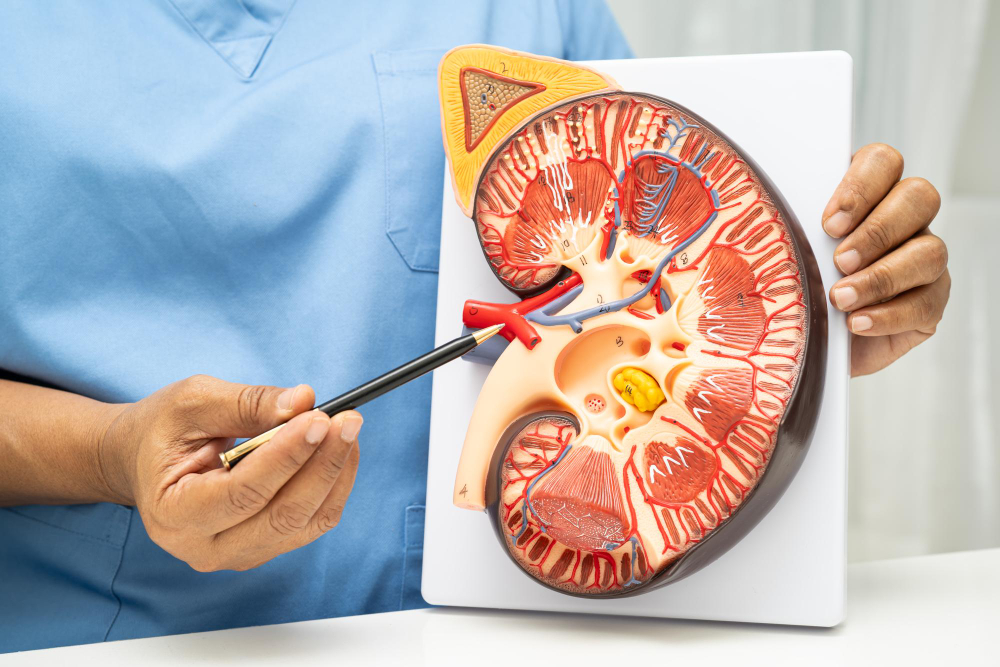
Phaeochromocytoma is a rare tumor that grows in the adrenal glands. These glands sit above your kidneys. They make hormones that help control blood pressure. When a phaeochromocytoma forms, it can cause the body to release too many stress hormones. As a result, this can lead to high blood pressure and other symptoms. Although most phaeochromocytomas are not cancer, they can still cause serious health problems. Early diagnosis and treatment are important for a good outcome.
Common Symptoms
Phaeochromocytoma symptoms can vary from person to person. However, some signs are more common. Often, symptoms come and go in episodes. For example, you may feel fine between episodes. But when symptoms appear, they can be sudden and strong.
Sometimes, people may also feel chest pain, nausea, or lose weight without trying. If you notice these symptoms, especially in episodes, it is important to talk to a doctor.
Causes and Risk Factors
Doctors do not know the exact cause of most phaeochromocytomas. However, some cases are linked to changes in certain genes. These gene changes can run in families. Because of this, people with a family history of phaeochromocytoma have a higher risk.
Other risk factors include:
Although these conditions are rare, knowing your family history can help. If you have a close relative with phaeochromocytoma, let your doctor know. Early screening may be helpful.
How is Phaeochromocytoma Diagnosed?
Doctors use several steps to diagnose phaeochromocytoma. First, they ask about your symptoms and medical history. Next, they may check your blood pressure. If they suspect phaeochromocytoma, they will order special tests.
Because phaeochromocytoma symptoms can look like other conditions, these tests are important. Early and accurate diagnosis helps guide the best treatment.
Treatment Options
Treatment for phaeochromocytoma depends on the size and location of the tumor. In most cases, surgery is the main treatment. Removing the tumor often cures the condition. Before surgery, doctors may give medicines to control blood pressure. This helps prevent problems during the operation.
Other treatment options include:
After treatment, regular follow-up is important. This helps catch any return of the tumor early. With proper care, most people recover well.
Lifestyle Tips and Prevention
While you cannot always prevent phaeochromocytoma, healthy habits can help manage symptoms. For example, you can:
If you have a family history, regular check-ups are important. Early screening can help find problems before they become serious.
When to See a Doctor
If you notice signs like sudden high blood pressure, severe headaches, or rapid heartbeat, see a doctor soon. Especially if these symptoms come in episodes, do not ignore them. Early diagnosis of phaeochromocytoma can prevent serious problems. If you have a family history, ask your doctor about screening. Remember, timely care makes a big difference.
If you notice symptoms of phaeochromocytoma, consult Dr. P Bharath, a healthcare specialist, for personalized advice.